

How Long Does a Professional Crime Scene Cleanup Take?
Did you know that some 8,400 people pass away every single day in the US (as per a Yahoo report that averages all the deaths happening in 2025)? Some of these deaths take place due to homicide. When it comes to crime scene cleanup after a brutal murder or an accidental death, property managers become overwhelmed with this task because picking & disposing of human remains is a big deal. This task isn’t fit for faint-hearted individuals.
Property owners hire professional cleaners for this job. One of the most common questions people ask when reaching out for help is how long the remediation process will take. Since every situation is unique, giving a single timeline for crime scene cleaning is difficult. So, a project may take anywhere from a few hours to several days (based on different factors).
Understanding what influences the timeline will help property owners know what to expect when hiring professional crime scene cleanup services.
Key Factors That Impact the Cleanup Timeline
You may wonder what even a crime scene cleanup entails. We’ll explain the key factors that impact the timeline of our crime scene cleanup process at the BioClean Team to give you a fair idea.
1. Severity and Size of the Affected Area
The most important factor here is the total square footage of the contaminated space.
Cleaning a single localized spot in a bedroom takes less time than disinfecting an entire commercial building, multiple rooms, hallways, or even a small apartment. The amount of biological material present also dictates how extensive the scrub and decontamination process must be.
2. Type of Building Materials Involved
Hard, non-porous surfaces like tile, linoleum, and sealed hardwood can be disinfected and restored relatively quickly. But porous materials absorb biological fluids rapidly.
When blood or fluids seep into your carpets, subflooring, drywall, upholstery, or baseboards, cleaners have to carefully remove and dispose of those structural items.
Removing saturated subfloor or drywall adds necessary labor time to the project.
3. Structural Contamination and Fluid Migration
Biological fluids naturally flow downward. They tend to settle into hidden crevices in the house. Contamination may sometimes travel beneath floorboards. It gets into your air ducts or contaminates ceiling joints. Locating and neutralizing these hidden biohazards may take more time than usual.
4. Police Investigations and Official Clearances
Another major factor influencing the crime scene cleanup timeline is that law enforcement & coroner officials have to complete their investigation. They need to officially release the scene after collecting evidence.
General Timelines for Remediation
As the demand for crime scene cleaning professionals increases nationwide, we’d like to give you a general timeline for biohazard material remediation at crime scenes.
| Mirror, localized scenes | Moderate contamination | Severe or complex contamination |
| 2 to 6 hours | 1 to 2 days | 3 to 5 days (or more) |
| Small areas involving non-porous surfaces where biological materials have not spread into walls or subflooring | Multi-room areas or spaces requiring carpet removal, subfloor cleaning, and odor neutralization | Extensive property damage requiring structural demolition, deep HVAC purification, and multiple rounds of heavy air scrubbing and ozone treatments |
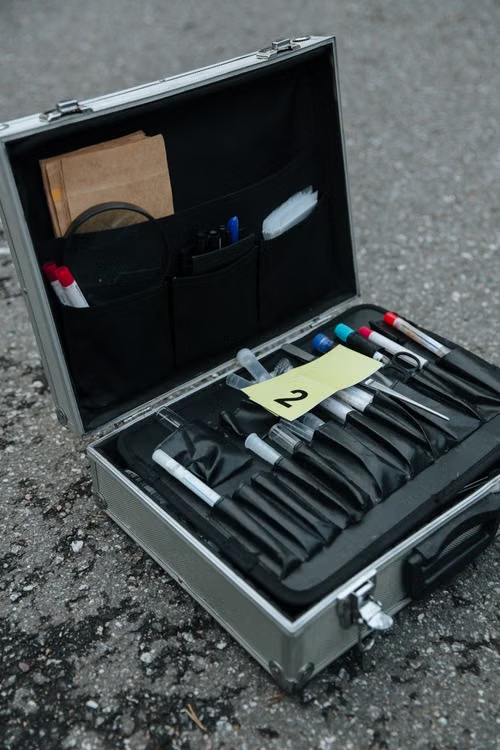
What Happens During the Crime Scene Cleanup Process?
You probably heard of that case in which the mother of a teenage homicide suspect was arrested for allegedly helping him clean up the crime scene. The first rule about crime scene cleaner jobs is that you shouldn’t attempt it on your own; let professionals take care of it because they follow these strict protocols:
- Assessment & Contamination: Our technicians at the BioClean Team start the whole process by setting up containment barriers. They use negative air pressure systems to keep these pathogens from spreading to clean areas.
- Affected Material Removal: They safely remove unsalvageable porous items and prepare them for legal disposal.
- Deep Cleaning & Sanitization: They scrub structural surfaces properly by using hospital-grade, EPA-recommended disinfectants.
- Deodorization: When it comes to neutralizing odor molecules, we make good use of industrial air scrubbers, ozone machines, and thermal foggers.
- Final Testing: The process finishes only when our technicians make sure that the whole area is biologically safe and restored completely for occupancy.
If you’re facing a difficult situation and need expert assistance with it, the BioClean Team is available 24/7 across Southern California, Arizona, & Nevada. Contact our discreet, certified specialists today for an immediate response and property evaluation.


