

Key Challenges in Hazardous Material Removal
Given that more than 100 major chemical accidents happen a year in the US, removing these biohazardous materials becomes an important yet tough job. But managing these substances isn’t that easy. You have to adhere strictly to certain safety standards, specialized equipment, and certified procedures. All forms of hazardous material removal present quite complex operational & environment challenges. That’s why DIY removal is simply out of the question.
When you mishandle these toxic materials, it leads to structural property damage, major legal penalties, etc. Understanding the primary obstacles involved in disposing hazardous waste highlights why property managers and business owners rely on professional remediation teams rather than trying DIY cleanup. This blog will give you an overview of these challenges…
Challenge 1: Stringent Federal and Local Regulatory Compliance
One of the greatest hurdles in handling hazardous waste is dealing with the complex network of environmental regulations. Government agencies enforce very strict guidelines that dictate how dangerous substances are packaged, transported, and eventually destroyed. You classify this waste properly based on its toxicity & flammability, use specialized transport permits and legal shipping manifests, and coordinate with certified companies that dispose of hazardous waste at regulated processing facilities. Biohazard remediation is best left to professionals.
Challenge 2: Pervasive Cross-Contamination and Porous Materials
When it comes to hazardous material removal, you should realize that dangerous liquids and chemical residues rarely stay localized on hard surfaces. Fluids tend to soak deep into porous materials. Like wood subflooring, drywall, grout, and carpeting. Also, using standard household cleaning supplies will simply spread this waste and make the contaminated area wider.
If you wish to effectively remove these hazards, you need to use plastic sheeting and negative air pressure machines to trap microscopic contaminants. Highly saturated structural materials must be cut out and safely removed to prevent lingering odor, mold, or biohazard risks.
Challenge 3: Protecting Human Health and On-Site Safety
When somebody gets exposed directly to toxic chemicals, this situation can lead to severe health conditions. The effects biohazards have on human health make hazardous waste disposal so challenging, since professionals risk their wellness (sometimes, even lives) to clean up after a traumatic event. Even if they are careful, an unhappy accident can lead to chemical burns, respiratory damage, long-term disease transmission, etc.
Overcoming these health risks requires donning advanced PPE; this PPE includes full-body impermeable hazmat suits, full-face dual-cartridge respirators, powered air-purifying systems, heavy-duty chemical-resistant gloves & steel-toe boots, etc. Wearing this PPE means they are now ready for hazardous material removal while minimizing the risk…
Challenge 4: Safe Transportation and Final Disposal
Collecting dangerous waste is merely half the process; safely transporting and disposing hazardous waste presents its own logistics challenges. You can’t just put this waste in a local municipal dumpster or take it to standard landfills. Remediation teams seal waste in heavily sealed double-walled biohazard boxes or heavy-duty drums before transportation.
They track this material via chain-of-custody documentation to licensed incineration plants or chemical treatment facilities. There this waste is permanently neutralized without threatening local groundwater or public health. That’s why professionals are best-suited for this job.
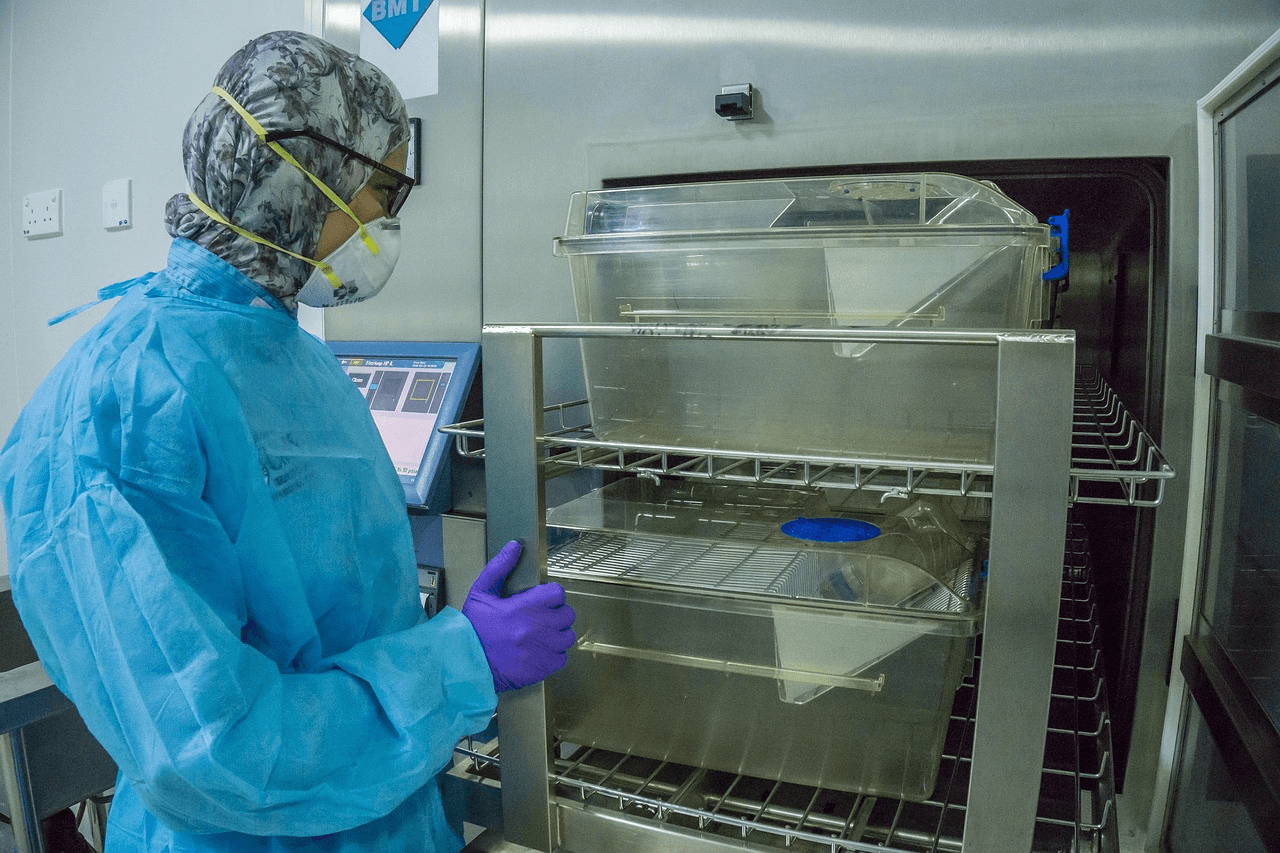
Hire Professionals for Hazardous Material Removal
Did you know that over 102,000 hazardous chemical incidents took place in the US across 4 years and caused more than a billion dollars in damages?
Given the legal complexities, physical hazards, and specialized equipment needed for hazardous material removal, handling contaminated sites without professional training is unsafe. Attempting to manage dangerous waste independently risks personal injury, illegal dumping violations, and permanent property damage.
The BioClean Team brings licensed expertise, advanced equipment, and compassionate service to every remediation project. Available 24/7 across Southern California, Southern Nevada, and Phoenix, Arizona, our technicians handle all aspects of hazardous waste cleanup, containment, and disposal safely and discreetly.


